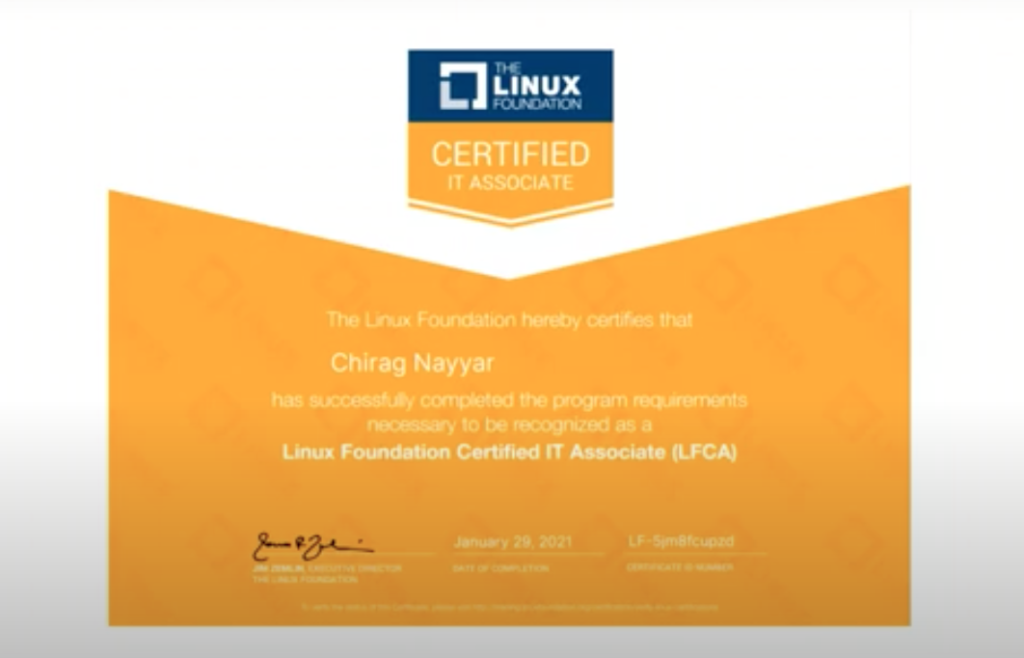
Facts About Linux Foundation Certifications Revealed 2. Introduction To Linux
This Linux training is considered admin-level Linux Foundation training, which indicates it was designed for systems administrators (Linux Foundation Membership Fees). 2. Introduction to linux. This LFCS course is valuable for new IT professionals with a minimum of a year of experience with Linux and experienced systems administrators seeking to validate their Linux Foundation skills. New or ambitious systems administrators. 2. Introduction to linux.
Today’s IT facilities, whether in the information center or on the cloud, are filled with Linux-based servers. New sysadmins are going to require Linux, and this certification must provide your career a great increase and you a leg up on the competition. 2. Introduction to linux. Experienced systems administrators. Anyone who thinks they know everything about Linux is incorrect.
2. Introduction To Linux See This Report on The Linux Foundation

What’s the difference between theoretical knowledge and genuine skills? Practical real-world experience. 2. Introduction to linux. That’s where Hands-on Labs come in! Hands-on Labs are directed, interactive experiences that assist you discover and practice real-world scenarios in genuine cloud environments. Hands-on Labs are seamlessly integrated in courses, so you can discover by doing. Linux Foundation Store.
They ought to make sure the computer systems are following the security practices and developed guidelines – Linux + Certification. The administrator needs to collaborate with the internal consumer teams to drive jobs and improvements. 2. Introduction to linux. Educational Qualifications, A Linux system administrator need to have a bachelor’s degree in computer system science, information innovation, info science, telecommunications or any other related field.
Things about Linux + Certification 2. Introduction To Linux
2. Introduction to linux. If you still can’t find what you’re looking for, try utilizing the search feature by clicking the magnifying glass icon above. CSS And Java, Script Shows Language And Python Programs Language Total Course 6 Realistic Practice Tests Updated Practice Test Covers The Whole Exam Curriculum 6 Newest Practice Test With NEW 2021 CEHv11 Topics Practice and Pass Examination Be a Certified Ethical Hacker Start Live, Streaming and Recording to Jerk, You, Tube, Mixer & more utilizing Open Broadcaster Software (OBS Studio) Join 150,000+ trainees – Discover cyber security, penetration testing (pentesting) and ethical hacking, How To Install WordPress On Your Domain And How To Set Up Fundamental Pages.
2. Introduction To Linux The smart Trick of Linux Foundation Certification Exam That Nobody is Talking About
Red Hat, RHCSA, RHCA, RHEL, Red Hat Licensed Engineer and RHCE are trademarks or signed up hallmarks of Red Hat Inc. ITGilde and its members are not affiliated with the trademark owner.
You can’t carry out that action at this time – Linux Online Training. You signed in with another tab or window. Reload to revitalize your session. 2. Introduction to linux. You signed out in another tab or window. Reload to revitalize your session.
Linux Online Training – Questions
Preparing for the LFCS Linux Foundation Qualified System Administrator Certificate exam? I have actually curated a list of articles from Microsoft paperwork for each objective of the LFCS test.
I receive a commission when you acquire through them. Necessary Commands 25% Log into regional & remote visual and text mode consoles Search for files Evaluate and compare the fundamental file system features and alternatives Compare and manipulate file content Usage input-output redirection (e. g (Linux Certification). >, >>,, 2 >) Examine a text using standard regular expressions Archive, backup, compress, unload, and uncompress files Produce, delete, copy, and move files and directories Create and manage hard and soft links List, set, and change standard file approvals Read, and use system documentation Manage access to the root account Operation of Running Systems 20% Boot, reboot, and shut down a system safely Boot or alter system into various operating modes Install, configure and fix bootloaders Diagnose and handle processes Locate and evaluate system log files Set up jobs to run at a set date and time Confirm conclusion of set up jobs Update software application to supply required functionality and security Confirm the integrity and accessibility of resources Verify the stability and schedule of key processes Modification kernel runtime parameters, relentless and non-persistent Usage scripting to automate system upkeep jobs Handle the start-up procedure and services (In Providers Configuration) List and recognize SELinux/App, Armor file and process contexts Manage Software application Identify the part of a Linux distribution that a file comes from Amazon link (affiliate) User and Group Management 10% Produce, delete, and customize regional user accounts Create, erase, and customize regional groups and group subscriptions Manage system-wide environment profiles Handle design template user environment Configure user resource restricts Manage user opportunities Configure PAM Networking 12% Configure networking and hostname resolution statically or dynamically Configure network services to start automatically at boot Implement package filtering Start, stop and inspect the status of network services Statically route IP traffic Integrate time utilizing other network peers Service Setup 20% Configure a caching DNS server Preserve a DNS zone Configure email aliases Configure SSH servers and customers Restrict access to the HTTP proxy server Set up an IMAP and IMAPS service Question and customize the behavior of system services at various running modes Configure an HTTP server Configure HTTP server log files Set up a database server Restrict access to a web page Manage and set up containers Handle and configure Virtual Machines Storage Management 13% List, produce, erase, and modify physical storage partitions Manage and configure LVM storage Develop and set up encrypted storage Configure systems to install file systems at or throughout boot Configure and handle swap space Develop and manage RAID devices Configure systems to install file systems on demand Produce, handle and diagnose sophisticated file system consents Set up user and group disk quotas for filesystems Produce and configure file systems. 2. Introduction to linux. This brings us to the end of the LFCS Linux Structure Certified System Administrator research study guide. 2. Introduction to linux.